 FOREXSNIPER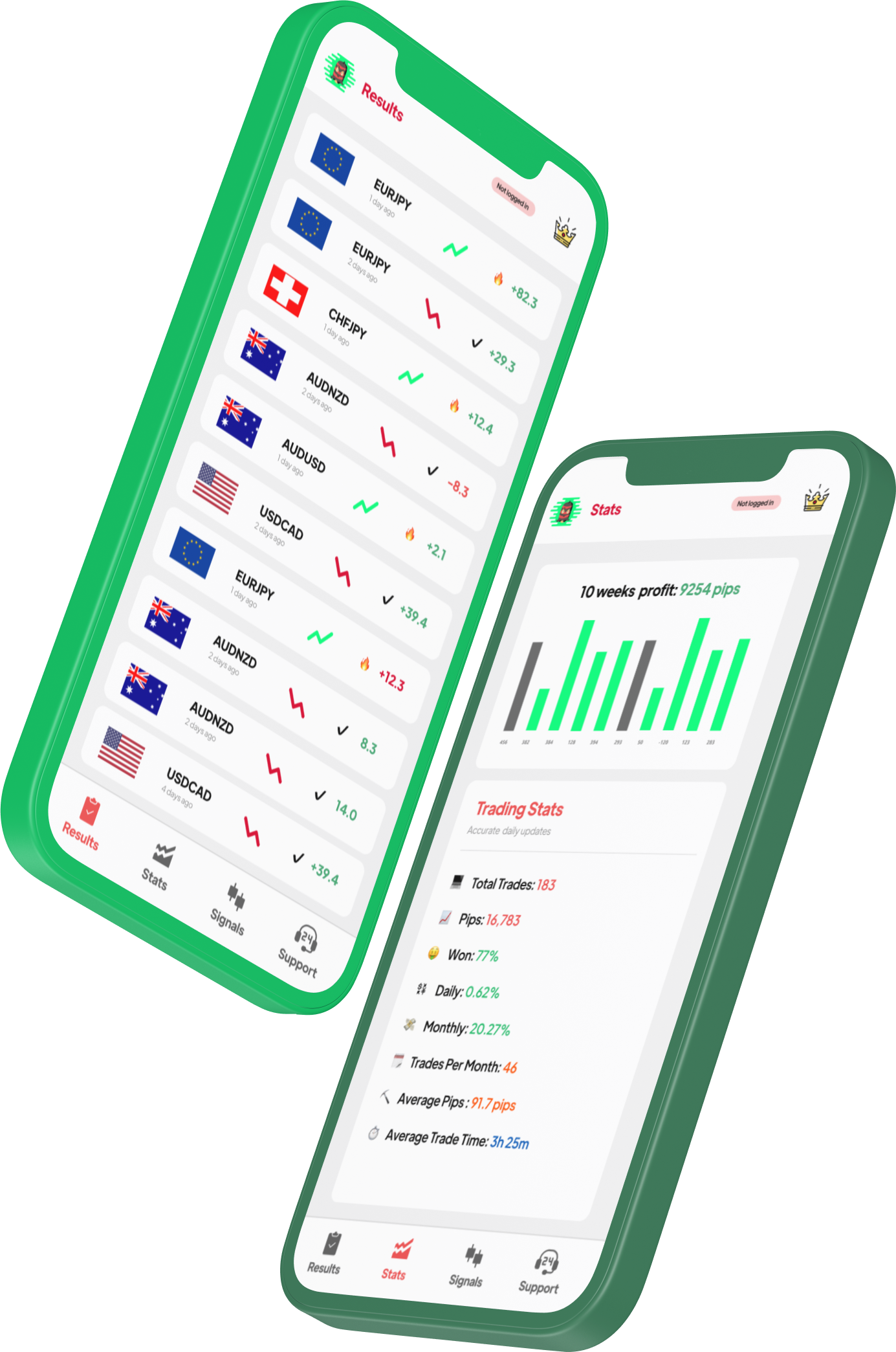
Key levels & daily outlook
Updated daily before the London session open.
Daily bias
Forex's direction is primarily driven by US real yields and the dollar index (DXY). When DXY weakens and yields fall, forex typically rallies. Monitor the US 10-year yield and DXY for intraday directional bias.
Session timing
Forex is most active during the London (07:00–16:00 UTC) and New York (12:00–21:00 UTC) sessions. The London-NY overlap (12:00–16:00 UTC) produces the largest moves and highest volume.
Trade these levels with confidence. Get exact entry, SL, and TP signals delivered instantly.
What drives the forex price?
Understanding these factors helps you anticipate forex's next move.
US Dollar (DXY)
Forex is inversely correlated to the dollar. A weaker USD pushes forex higher. The DXY index is the single most important real-time indicator for forex direction.
US Interest Rates
Higher real yields make holding forex (which pays no yield) less attractive. When the Fed cuts rates or signals dovishness, forex typically rallies sharply.
Geopolitical Risk
Wars, sanctions, elections, and trade conflicts drive safe-haven demand. Forex spikes during uncertainty and cools when tensions ease.
Central Bank Buying
Central banks (especially BRICS nations) have been net buyers of forex since 2022, creating structural demand and a floor under prices.
Inflation Expectations
Forex is a traditional inflation hedge. When CPI surprises to the upside, investors allocate to forex to preserve purchasing power.
Equity Market Correlation
During equity sell-offs, money flows into forex as a safe haven. During strong bull markets in stocks, forex demand can soften.
Forex price history
Key milestones in forex's price history.
Long-term trend: Forex has risen from $272 per ounce in 2000 to over $3,300 in 2026 — a 12x increase over 26 years. The acceleration since 2020 (up 60%+) reflects post-pandemic monetary expansion, de-dollarization trends, and record central bank purchasing. Most institutional analysts project continued strength through 2027 as real yields normalize.
Forex price FAQ
What is the current forex price? +
The live Forex price is shown in the chart above, updated in real-time during market hours (Sunday 22:00 UTC to Friday 22:00 UTC). Forex trades 24 hours a day, 5 days a week.
What time does forex trade? +
Forex trades continuously from Sunday 22:00 UTC to Friday 22:00 UTC. The most active sessions are London (07:00–16:00 UTC) and New York (12:00–21:00 UTC). The London-NY overlap produces the biggest moves.
What makes forex go up? +
Forex rises when: the US dollar weakens, interest rates fall, inflation increases, geopolitical tensions rise, or central banks buy forex. It's inversely correlated to US real yields — when yields drop, forex rises.
What makes forex go down? +
Forex falls when: the US dollar strengthens, interest rates rise (hawkish Fed), inflation cools, risk appetite increases (investors move to stocks), or central banks sell reserves.
Is forex a good investment in 2026? +
Forex has risen significantly from $2,067 (2020) to $3,300+ (2026). Many analysts remain bullish due to potential Fed rate cuts, de-dollarization, and continued central bank buying. However, past performance doesn't guarantee future results. ForexSniper provides signals — not investment advice.
How can I trade forex? +
You can trade Forex through any forex broker that offers the pair — IC Markets, Pepperstone, OANDA, Exness, FTMO, and others. ForexSniper provides professional signals with exact entry, stop-loss, and take-profit levels to help you trade effectively.
Get forex signals live.
Professional Forex alerts with entry, SL, and TP. Download free.