 FOREXSNIPER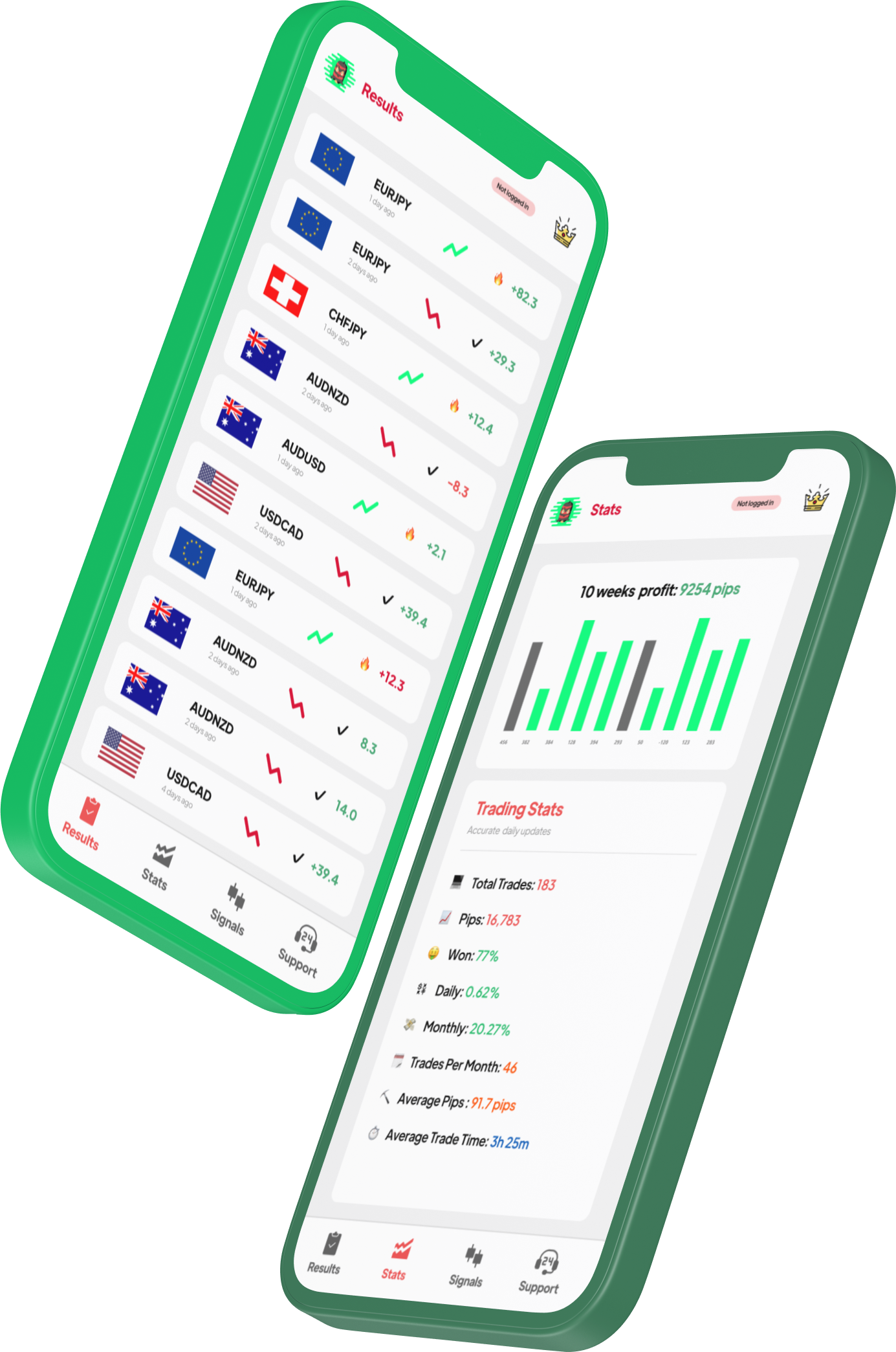
Why the Fed controls forex.
The Federal Reserve controls the federal funds rate — the interest rate at which US banks lend to each other overnight. This rate cascades through the entire financial system, influencing everything from mortgage rates to bond yields to the US dollar's value against other currencies. And because forex is priced in US dollars and competes with bonds for safe-haven capital, Fed policy is the dominant driver of Forex.
The connection works through three primary channels:
Channel 1: Opportunity cost
Forex pays no interest, dividends, or coupons. It just sits there, shiny and inert. When the Fed raises rates, Treasury bonds, savings accounts, and money market funds all pay higher yields. Investors face a choice: hold forex (which earns nothing) or hold Treasuries (which now pay 5%+). Higher rates increase the opportunity cost of holding forex, suppressing demand and pushing prices down. When rates fall, the calculus reverses — the gap between forex's zero yield and bond yields narrows, making forex relatively more attractive.
Channel 2: US dollar strength
Higher US interest rates attract foreign capital seeking yield, strengthening the dollar. Since forex is priced in USD globally, a stronger dollar makes forex more expensive for buyers using other currencies — suppressing international demand. A weaker dollar (from rate cuts or dovish signals) does the opposite: it makes forex cheaper internationally and fuels buying. The DXY (Dollar Index) and forex have a strong inverse correlation, typically -0.6 to -0.8 over rolling 12-month periods.
Channel 3: Real yields (the key metric)
The most important relationship isn't between forex and nominal rates — it's between forex and real rates. Real yield = nominal interest rate minus inflation. When inflation runs at 4% and the Fed funds rate is at 5%, the real yield is +1%. But when inflation is 6% and rates are 5%, the real yield is -1% — holding cash literally loses purchasing power. Negative real yields are the single most bullish condition for forex. From 2020–2022, deeply negative real yields (-1% to -2%) propelled forex above $2,000 for the first time.
The US 10-year TIPS (Treasury Inflation-Protected Securities) yield is the benchmark real yield that forex traders watch. When 10Y TIPS yields fall, forex rises. When they rise, forex faces selling pressure. This correlation has held consistently for over two decades.
Why the relationship sometimes breaks
The Fed-forex inverse correlation isn't perfect. Forex can rise during rate hikes if: (1) inflation is accelerating faster than the Fed is hiking (real yields still falling), (2) geopolitical risks spike (safe-haven demand overwhelms rate pressure), (3) central banks are aggressively buying forex (structural demand), or (4) markets believe the hiking cycle is ending (forex prices in future cuts before they happen). In 2022–2023, forex held above $1,800 despite the most aggressive hiking cycle in 40 years, primarily because central bank buying and geopolitical tensions offset the rate headwinds.
Interest rates vs forex price.
The inverse correlation between rates and forex is well-documented, but the magnitude varies dramatically depending on whether rate changes are expected or unexpected.
Expected rate changes: When the Fed delivers a rate cut or hike that markets have already priced in (Fed Funds futures show 90%+ probability), forex lotsely moves on the announcement itself. The move already happened in the days/weeks prior. The market is forward-looking — it trades on expectations, not events.
Surprise rate changes: When the Fed deviates from expectations — cutting when markets expected a hold, or delivering a more hawkish dot plot — forex moves violently. A surprise 25bp cut when no change was expected can move forex $40–$60 in an hour. These surprises are rare but produce the largest single-day forex moves.
The critical insight: forex doesn't trade on what the Fed does — it trades on what the Fed does relative to expectations. Before every FOMC meeting, check the CME FedWatch Tool to see what markets are pricing. If a 25bp cut is 95% priced in and the Fed delivers it, look at the statement and dot plot for surprises. The deviation from consensus is where the trade is.
Historically, forex performs best during the early stages of a rate-cutting cycle. The first 2–3 cuts typically produce the strongest forex rallies because: (1) the economic outlook is deteriorating (recession fears boost safe-haven demand), (2) the dollar is weakening as carry trades unwind, and (3) real yields are falling rapidly as rates drop faster than inflation. From the first cut in September 2024 through mid-2025, forex rallied approximately 15%.
Historical examples.
2008–2011: QE & Zero Rates
After the Global Financial Crisis, the Fed slashed rates to 0% and launched three rounds of quantitative easing (QE), printing trillions of dollars to buy bonds. Real yields went deeply negative. Forex responded by rallying from $720 in October 2008 to $1,921 in September 2011 — a 167% gain in three years. This remains the textbook example of how extreme monetary easing fuels forex. The Fed's balance sheet expanded from $900 billion to $4.5 trillion, and every expansion announcement sent forex higher.
2013: The Taper Tantrum
In May 2013, Fed Chair Ben Bernanke mentioned the possibility of "tapering" bond purchases. Despite no actual rate hike, the mere suggestion of reduced monetary easing crashed forex from $1,600 to $1,180 — a 26% decline in just 7 months. This event demonstrated that forex trades on expectations of future policy, not just current rates. The lesson: when the Fed signals tightening, forex sells off before the tightening actually begins. Forward guidance is as powerful as actual policy changes.
2020: Emergency COVID Cuts
In March 2020, the Fed emergency-cut rates to 0% and launched unlimited QE to combat the pandemic recession. Forex rallied from $1,470 in March to an all-time high of $2,075 in August 2020 — a 41% rally in 5 months. Real yields plunged to -1.1%. The speed and scale of the move confirmed that zero rates + massive money printing is the ultimate bullish catalyst for forex. Every trader who understood the Fed-forex relationship recognized this setup immediately.
2022–2023: Aggressive Hiking Cycle
The Fed raised rates from 0% to 5.25% — the fastest hiking cycle since the 1980s. Textbook analysis said forex should collapse. Instead, forex held above $1,800 and eventually rallied to new highs. Why? Central bank buying (BRICS nations purchased 1,000+ tonnes per year), geopolitical tensions (Russia-Ukraine war, Middle East), and the market's expectation that the hiking cycle was temporary. This cycle proved that while Fed policy is dominant, it's not the only factor — and forex can defy rate pressure when structural demand is strong enough.
Trading forex around FOMC.
Check FedWatch probabilities before the meeting
The CME FedWatch Tool shows the probability of each rate outcome. If a 25bp cut is 95% priced in, the cut itself won't move forex much — focus instead on the statement, dot plot, and press conference for surprises. The trade is in the deviation from consensus, not the headline decision.
Reduce size and widen stops pre-announcement
In the 30 minutes before the 2:00 PM ET announcement, spreads widen and liquidity thins. Reduce your position size by at least 50% or close entirely. The initial spike often reverses, and being caught on the wrong side with full size is the most common FOMC trading mistake.
Trade the press conference, not the release
The rate decision drops at 2:00 PM ET. The press conference starts at 2:30 PM. The real move often happens during the Q&A when Powell provides nuance. Many experienced forex traders sit out the first 30 minutes entirely and enter only after the press conference reveals the true direction.
Watch the dot plot for the medium-term trade
The dot plot shows where each FOMC member expects rates in 1, 2, and 3 years. A downward shift in the median dot (expectations of lower future rates) is bullish for forex over the coming weeks, even if the current meeting's decision is unchanged. The dot plot sets the tone for forex's direction until the next meeting.
Fed policy & forex in 2026.
As of mid-2026, the Federal Reserve has been navigating a complex monetary policy environment. After the aggressive hiking cycle of 2022–2023 that took rates to 5.25–5.50%, and the initial cuts that began in late 2024, the path forward remains data-dependent.
Several factors are shaping the Fed-forex dynamic in 2026:
Inflation stickiness
Core inflation has proven more persistent than the Fed hoped, particularly in services and shelter. This has slowed the pace of rate cuts and kept real yields elevated relative to forex bulls' expectations. However, the disinflationary trend remains intact, suggesting further cuts ahead.
Central bank buying as a structural floor
Even when the Fed's hawkish stance creates headwinds, forex has found support from relentless central bank buying. China, India, Poland, Turkey, and other nations continue accumulating forex at a pace not seen since the 1960s. This structural demand has fundamentally changed the forex-rates relationship, creating a higher floor than historical models would suggest.
Implications for forex traders
The Fed remains the primary driver, but the floor has risen. Each dovish pivot or weaker-than-expected data point is likely to produce outsized forex rallies because the structural demand backdrop amplifies upside moves. Conversely, hawkish surprises may produce shallower selloffs than in previous cycles because central bank buying absorbs dips.
Trading forex around FOMC.
See how our signals perform during Fed announcements.
Fed & forex FAQ
Why does forex go up when interest rates go down? +
Forex pays no yield. When rates fall, the opportunity cost of holding forex decreases, and the US dollar typically weakens — making forex cheaper for international buyers. Negative real yields (rates below inflation) are the most bullish condition for forex.
Does forex always fall when the Fed raises rates? +
Not always. Forex can rise during hikes if inflation outpaces rate increases (negative real yields), geopolitical risks spike, or central banks are buying aggressively. In 2022-2023, forex held above $1,800 despite the fastest hiking cycle in 40 years.
What is the relationship between real yields and forex? +
Real yields (nominal rate minus inflation) are the most reliable forex predictor. Negative real yields = bullish forex. Positive and rising real yields = bearish forex. Watch the US 10-year TIPS yield as the benchmark.
How should I trade forex around FOMC meetings? +
Reduce size before the announcement. The initial spike often reverses. Wait for the press conference Q&A (30 min after) for the real direction. Focus on dot plot and forward guidance, not just the headline rate decision.
Trade Fed decisions smarter.
Forex signals that account for macro events. Entry, SL, TP included. Download free.